


By Eleanor Luxton, University College London
Back in February 2026, I was asked to be part of a UCL Geography Alumni Careers Panel, having completed my MSc in Global Migration the previous Autumn. I was slightly surprised by this invitation: my status as an ‘eternal student’ and apparent refusal to get a job remains a regular topic of teasing by my Dad, who claims to be unable to retire until I graduate. Predictably, during the panel I had to answer the “how is your PhD going?” question, which strikes terror into the heart of every doctoral researcher. At the time, I was finding the transition from Masters student to PhD student very challenging, and unexpectedly so considering all I’ve done since I was 18 is study geography. As I fumbled for an answer that sounded satisfactorily encouraging and honest, I lifted my forearm off the table at a 90-degree angle, indicating the “very steep, maybe vertical” learning curve I was experiencing. So, in the hopes that you might have a slightly smoother start to your Geography PhD than me, here’s a few things I’ve that may be useful.
It can take a long time and a lot of effort to settle in
Throughout the whole of my first year of my PhD, my uncle asked: “have you settled into your course yet?” every time I saw him. Whilst my answer was usually some iteration of “mmm maybe?!”, and a semi-funny anecdote about spending 8 hours agonising over a single sentence, truthfully it took many months and a lot of work to get there. This isn’t to dissuade you, or anyone you know, from applying for a PhD, but more to prepare you for the feelings of weirdness that accompany your early days in the department. In my experience at least, you don’t really have the same amount of induction activities, or the same manic excitement, that traditionally accompanies undergraduate fresher’s weeks, and often there might only be a few of you starting (especially if visas get delayed). Because lots of people study PhDs in universities far away from where they live, some folks don’t come to campus much, or have to squeeze their visits around caring responsibilities, jobs, and travelling for fieldwork. With this in mind, I recommend taking every opportunity you can to connect with other PhD students. Joining group chats, mailing lists or research networks, attending departmental talks and conferences, establishing regular ‘writing rooms’ in-person or remotely, or becoming your course representative can help you to settle in. Sometimes it might look like a cold email to a student in another department or university whose work is relevant to yours, or noticing a new name above an office door and offering them a coffee. It can feel like a lot of effort, and if you’re like me, you’ll worry that it’s taking you away from doing the work of the PhD, but I think it’s crucial. If you want to have a nice time, and build a sense of community, then you must put the effort in.
Everyone has an opinion about PhDs, whether they’ve done one or not, and they will tell you it unprompted.
While you’re navigating settling into your PhD and getting to know your peers, you’ll also be getting used to telling people that you’re doing a PhD. Whilst most people will react with some iteration of “wow, that’s cool!”, others will find various ways to inform you that you are too young, or that they thought about doing a PhD but didn’t. This is where the skill of condensing your project into a single sentence becomes incredibly important. You will doubtless be told by everyone the imperative of having an “elevator pitch” ready to go, but I think it’s good to have a few variations on standby which adapt to your audience and their interest levels.
You don’t really know when you’ll finish your PhD, and that’s OK
The next question you’ll be asked is “so how long does that take, then?”. I’ve had people assume that I’ll be done in a year or so, and others tell me that it took their best friend’s mum nine years to hand in her thesis. I normally mumble something about being funded for three years but that it will probably take longer, and people tend to find this confusing (as do I). But this is normal, and lots of people don’t really know when they will finish, until they get quite close to finishing. If you’re starting your PhD, try not to think about how long it will take you, or how old you will be when you finish, as this is a surefire route into “what have I done with my life?” panic.
Get used to the feeling that you ‘haven’t done enough work today’
Not feeling a sense of achievement is normal, particularly when your deadlines seem very far away and you’re used to exams and coursework. Set regular check ins with your supervisors, and have these in the calendar in advance, so you’re always working towards something. Put the dates for progression points in your calendar too, and discuss your goals with your supervisors. Once I’d met a few deadlines, the feeling that I wasn’t being productive started to slip away.
Bad writing is better than no writing
On the days when you haven’t written much, it can help to blurt out on paper what you’re struggling with, what you’re trying to say (in simple terms), and what you want to do next. Releasing the word vomit can free up your mind for tackling problems. I’d also encourage you to start writing as early as possible in your PhD – ~4,000 words/month for the first 6 months or so worked for me, and meant my writing style shifted rapidly with my supervisors’ helpful feedback. Even though a lot of that early writing wasn’t great, it helps to see how much you’ve improved, and the content may be useful somewhere down the line. To get better at writing you have to actually write, and have something to edit, so get it all out (your writing probably isn’t as bad as you think, anyway).
Find stuff and people you love outside the PhD
Getting through the tough days requires a lot of support, so stay in touch with people you can be honest with. You will likely be spending large amounts of your day working alone, so filling your free time with fun stuff is essential. I really enjoyed teaching in my first year, as it gave my days some structure and reminded me why I love geography, and I tried to keep most evenings free to see friends. Figuring out when you’re most productive can help here: I come alive between 11am-7pm, so that’s when I do the bulk of my work. You don’t have to “treat the PhD like a 9-5, because you’re probably doing a PhD to avoid the 9-5 grind. As long as you’ve got a bit of balance between socialising, working, etc. then that’s great.
You’re the one who has to get a job at the end of this….
Finally, take ownership of your PhD, because it is YOURS and you have to care about it. This took me a while to work out, as I sorted of wanted my supervisors to make decisions about the project for me. But being in control of your time and your work is really cool and means that you can say yes to interesting opportunities which open up post-PhD career pathways too.
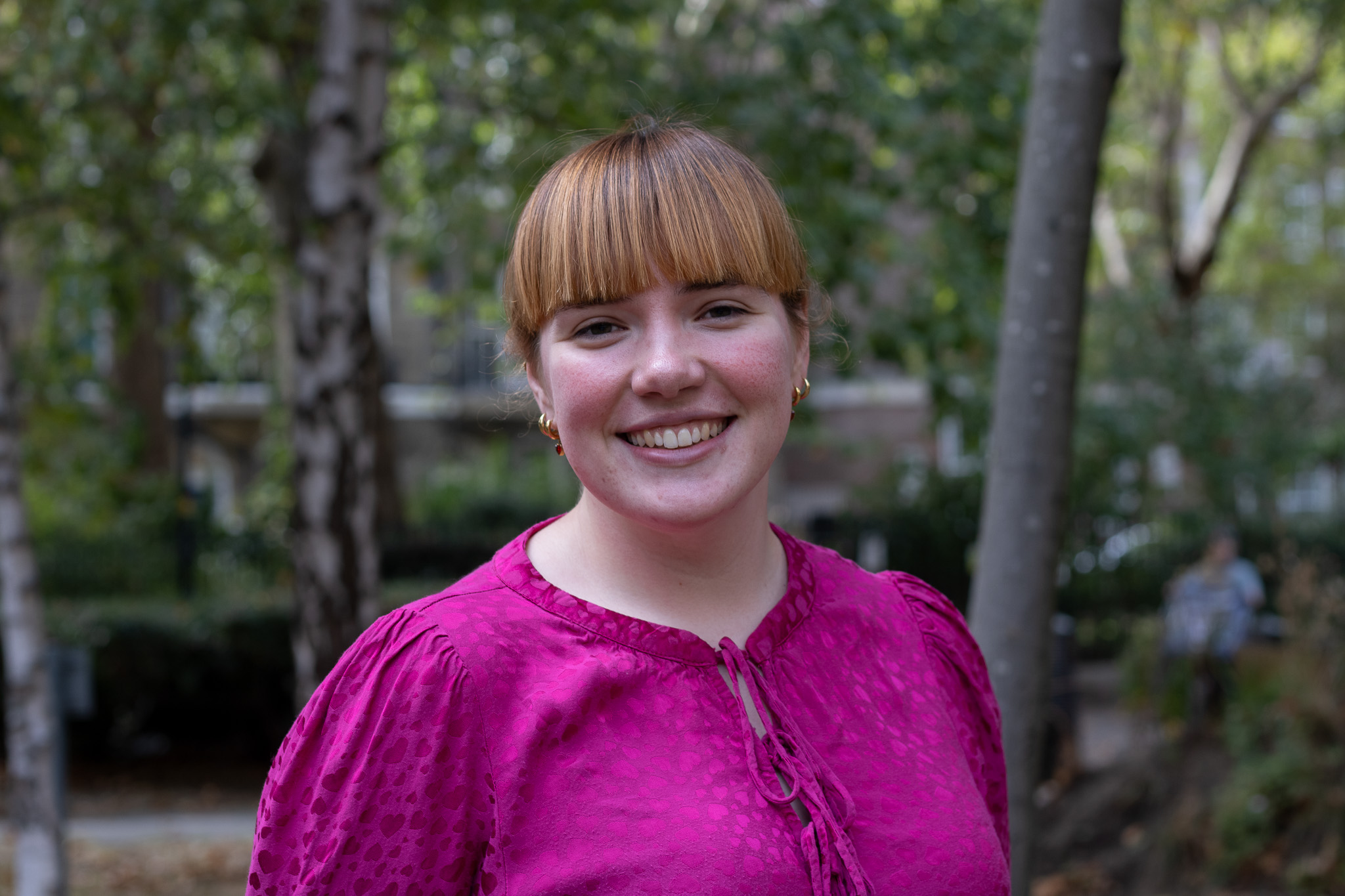
About the author: Eleanor Luxton is a second year Human Geography PhD student at University College London (UCL). Her research works with Afghan women who moved to the UK after the ‘fall’ of Kabul, adopting a participatory and postcolonial feminist approach to understand how they relate to depictions of Afghan women in the media.
Suggested further reading
Tate, S., & Hopkins, P. (2025, August) Studying Geography at university: how to succeed in the first year of your new degree. Geography Directions. https://doi.org/10.55203/ILOV7813
How to cite
Luxton, E. (2026, October) “A steep learning curve, closer to a vertical drop”: Things I wish I knew before starting a Geography PhD. Geography Directions. https://doi.org/10.55203/QNHO2899

