

By Sarah Henton De Angelis, Royal Geographical Society (with IBG)
Every other minute, someone, somewhere, drowns; over the past decade, drowning has claimed more than three million preventable lives, with the greatest burden falling on communities in low- and middle-income countries (World Health Organisation). Small-scale and artisanal fishers are among those most exposed, working at the frontline of increasingly unpredictable weather, rougher seas and changing fish stocks.
“Fishing is one of the most dangerous occupations, with the FAO estimating that at least 32,000 people die every year. This is likely to be an underestimate”, Helen O’Connor, Royal National Lifeboat Institution (RNLI)
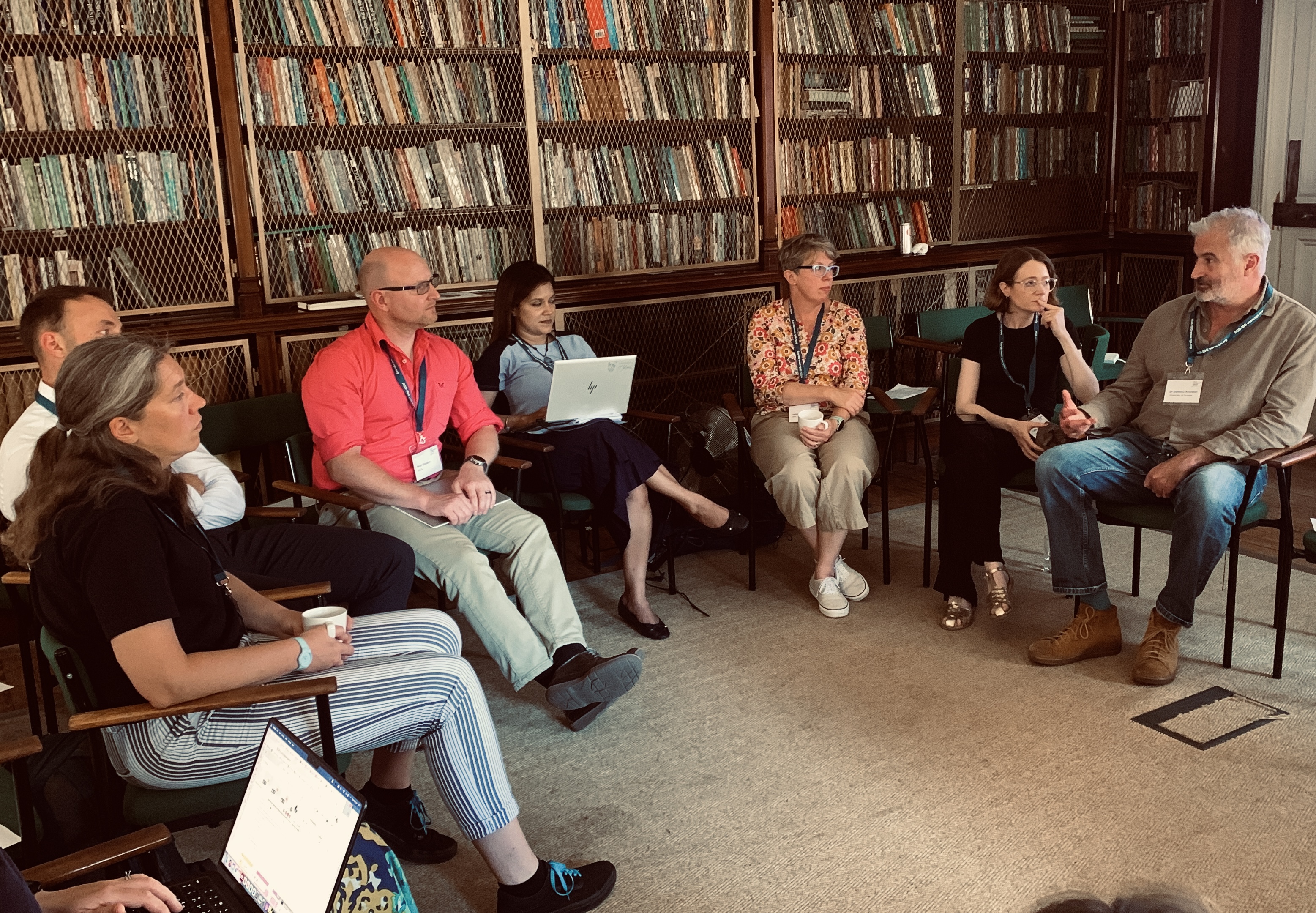
These risks were the focus of a recent roundtable workshop hosted by the Royal Geographical Society, which brought together researchers, humanitarian practitioners, maritime safety organisations and policymakers to explore how early warnings can better support small-scale fishing communities. Convened by the Society’s Grants Office in partnership with the University of Sussex, Christ University, the Royal National Lifeboat Institution (RNLI) and Lloyd’s Register Foundation, the workshop took place at the end of London Climate Action Week and ahead of World Drowning Prevention Day.
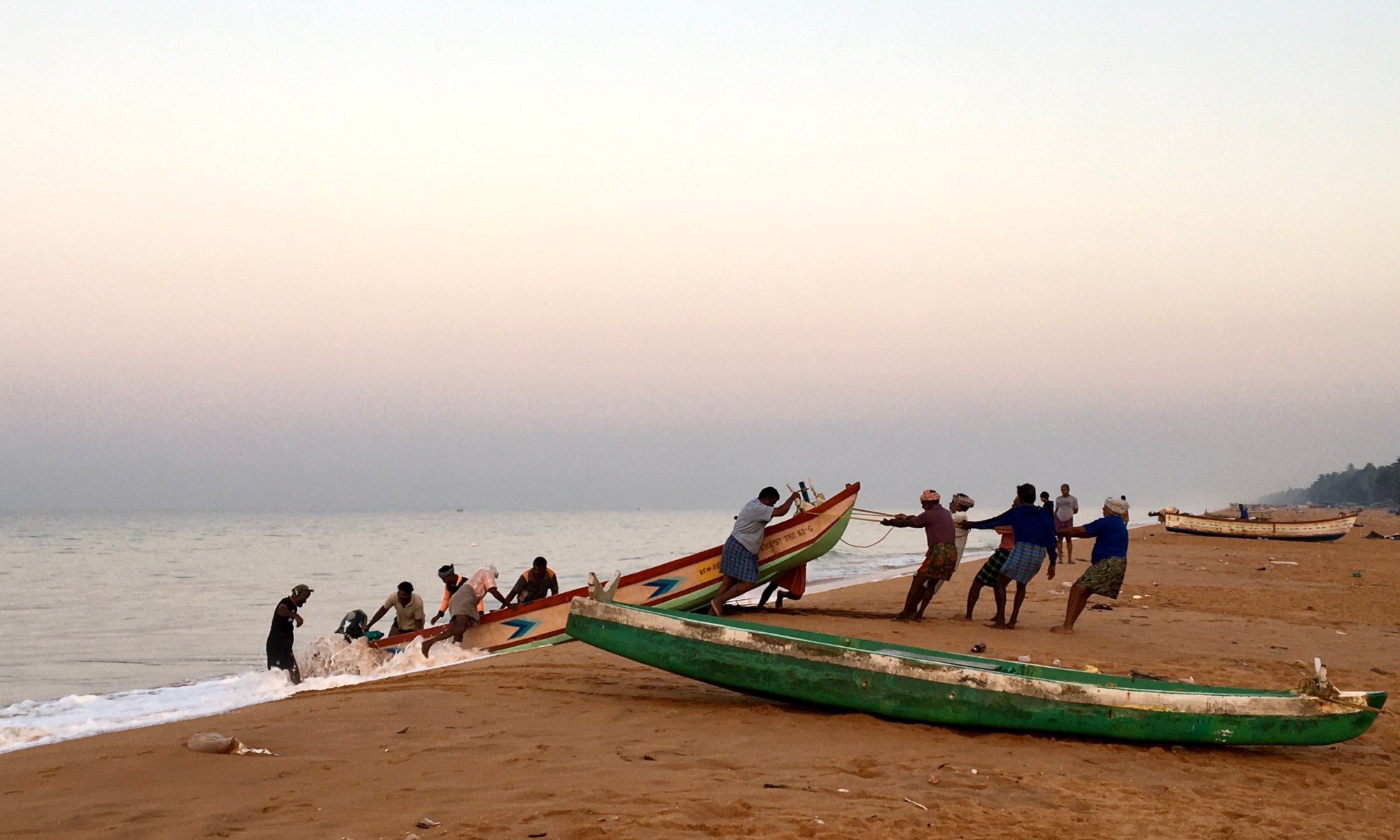
The workshop built on research by Dr Max Martin, supported by a 2019 Royal Geographical Society Environment and Sustainability Research Grant, which examined how weather knowledge can be co-produced with artisanal fishers in Kerala, India, to support safer and more sustainable fishing. In Kerala, as in many parts of the Global South, local fishers rely on small boats, canoes and rafts. As the eastern Arabian Sea becomes stormier, these communities face growing occupational risks from high winds, rough seas and increasingly volatile weather.
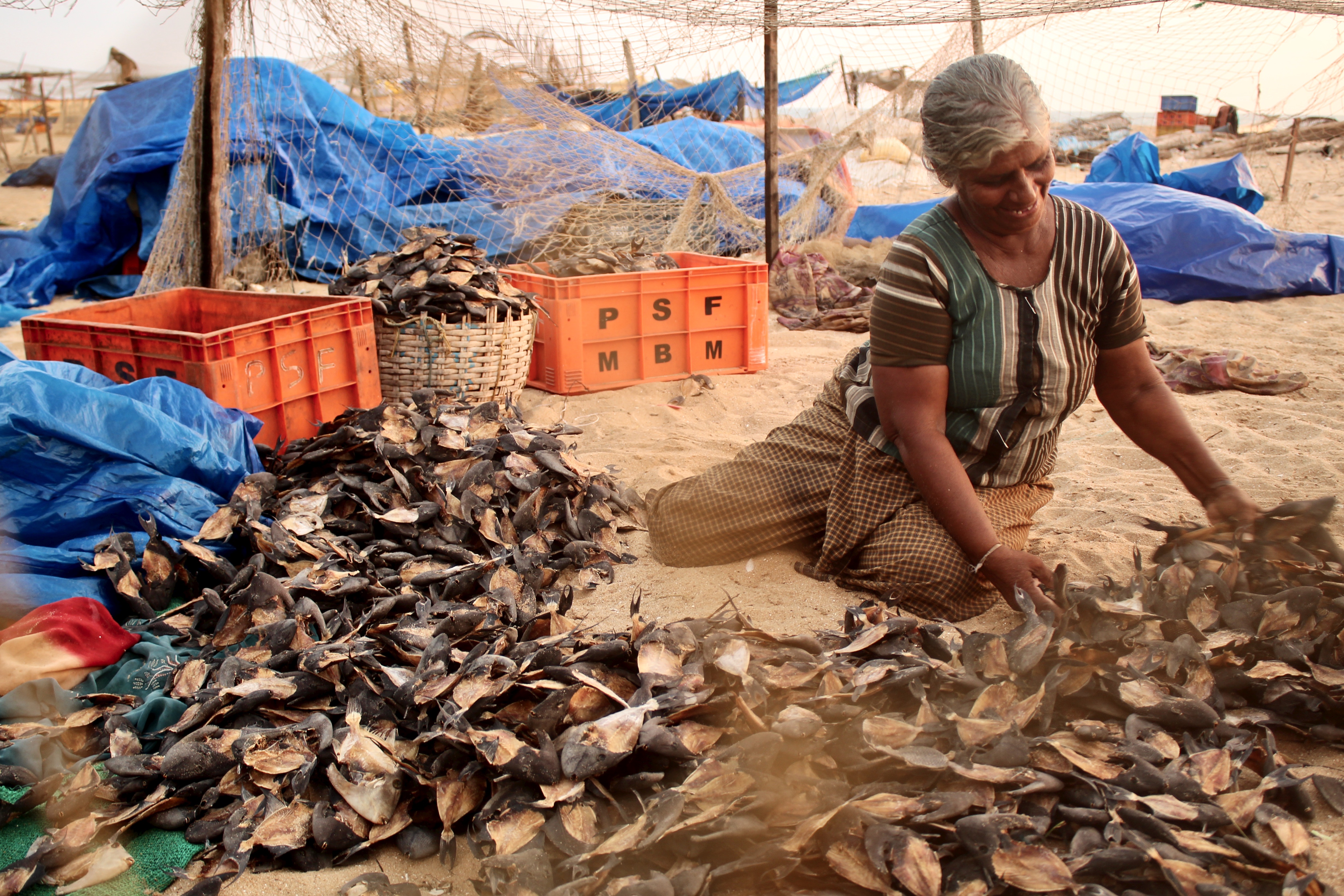
Between 2016 and 2021, 345 fishers reportedly died while fishing off the Kerala coast, excluding the hundreds more killed during a severe cyclonic storm in November 2017 (Martin et al., 2022). Climate change is expected to heighten these risks further, with tropical cyclones projected to increase in frequency (Bell et al., 2020).
Yet the decision to go to sea is rarely straightforward. The monsoon, when conditions are often most hazardous, is also a season of high fish availability (Gupta et al., 2016). With mechanised fishing banned during this period, traditional fishers gain important access to coastal markets (Martin et al., 2022). For households facing precarious incomes, limited storage infrastructure and inadequate safety nets, staying ashore can carry its own risks.
Helen O’Connor of the RNLI highlighted similar challenges around Lake Victoria, roughly the size of Ireland, the shoreline of which is shared among Tanzania, Uganda, and Kenya, where fishers routinely work at night and during poor weather, when catches are often more plentiful. Current drowning prevention initiatives often focus on reducing risky behaviours, such as fishing in poor weather, alcohol use, lack of safety gear and limited safety knowledge. However, reducing drowning risk requires more than encouraging individuals to make safer choices.
These behaviours are shaped by deeper pressures, including income insecurity, debt, poor market conditions, limited access to safety equipment, low literacy, weak mobile connectivity, governance gaps, poor infrastructure, technological barriers and the absence of timely, usable weather and sea- (or lake)-state forecasts.
As ocean warming intensifies storm volatility and erodes predictability at sea, forecasting technologies have advanced rapidly. However, early warnings too often fail to translate into early action where it matters most: on small boats, along seashores and in rural harbours, and within culturally grounded systems of decision-making. Evidence from field research suggests that the gaps between early warning and early action are systemic rather than simply technical (Martin, 2024). They are shaped by trust, relevance, institutional fragmentation, communication pathways and local context.
Keynote speaker Professor Dominic Kniveton, Professor of Climate Science and Society at the University of Sussex and recipient of the Society’s 2019 Cuthbert Peek Award, argued that such complex challenges require a systems approach. Rather than treating risk communication as a simple process in which a warning is issued and action follows, a systems approach recognises the social, political, economic and environmental contexts in which decisions are made.
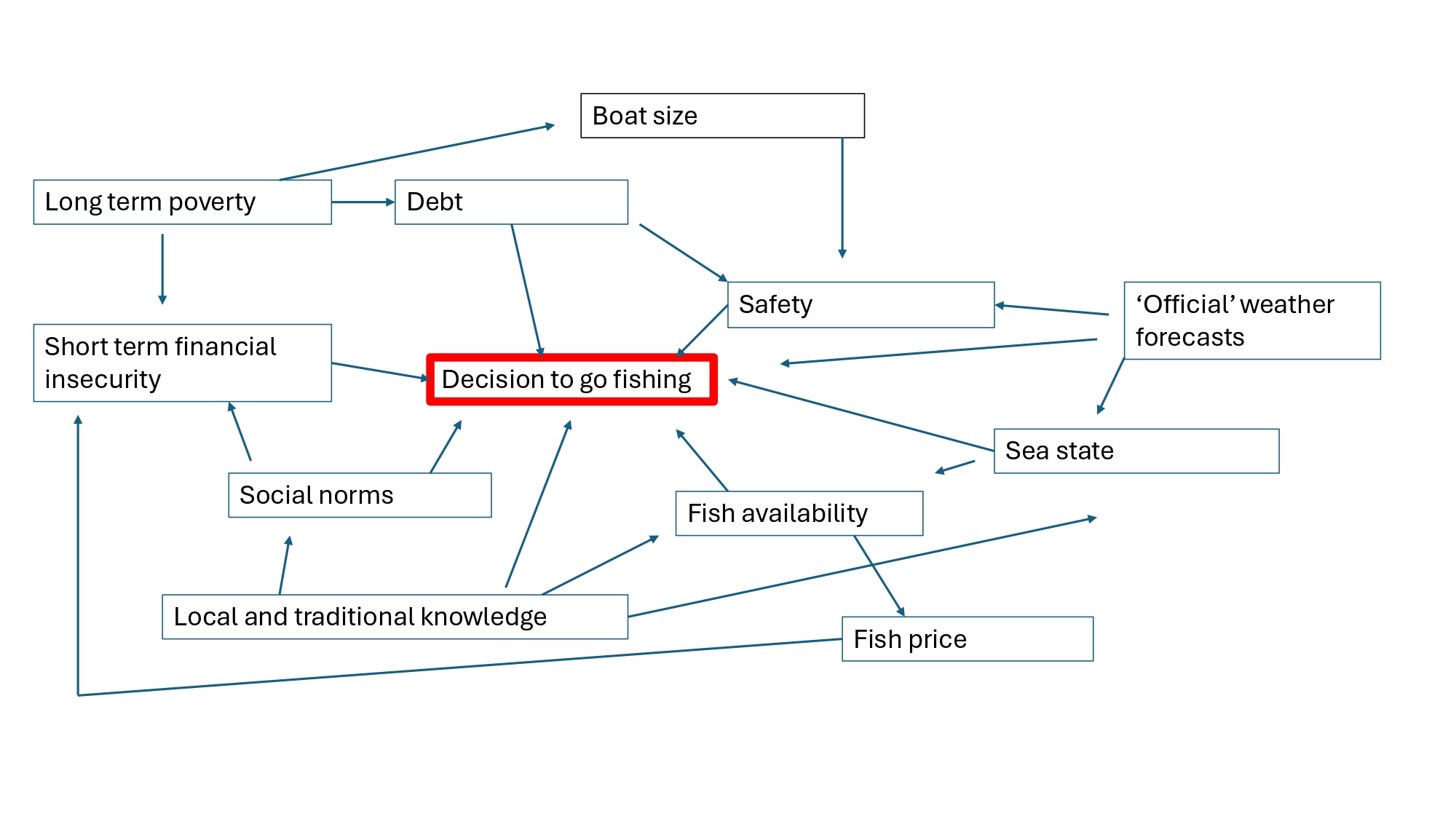
This perspective helps explain why fishers may continue to go to sea even in dangerous conditions. It shifts attention away from linear models and individual behaviour, and towards the wider pressures and root causes that shape risk, from livelihoods and market access to governance, infrastructure and trust in institutions. Hon. Emelia Arthur, Minister for Fisheries and Aquaculture, Republic of Ghana, underlined this point by describing hazardous coastal flooding in Ghana caused by the construction of coastal defences designed to protect other communities further along the coast: a striking example of well-intentioned action that failed to take account of the wider system.
Dr Elizabeth Kumah of Lloyd’s Register Foundation highlighted the need to strengthen the evidence base for early warning systems. A comprehensive review of existing studies found that research has rarely focused on occupational risk groups such as fishers, with most studies instead targeting general populations or communities. The review also found that many studies fail to consider all four pillars of effective early warning systems, as defined by the United Nations Office for Disaster Risk Reduction (UNDRR) framework: risk knowledge; detection and monitoring; warning dissemination; and preparedness. Almost half considered warning dissemination in isolation.

The evidence that does exist shows that access to early warning systems remains uneven across the world and within regions and socio-economic groups. Women, older adults, people with disabilities and lower-income communities are consistently disadvantaged. However, where effective early warning systems are in place, they are associated with fewer deaths and strong returns on investment, with high benefit-to-cost ratios. Lead time and multi-channel dissemination are also critical to their effectiveness.
“The evidence is clear: these systems save lives and money, but timely alerts only work if people actually receive them and know what actions to take,” said Dr Kumah.
The workshop underlined a clear message: better forecasts are vital, but they are not enough. Early warnings need to be timely, trusted, accessible, locally meaningful and connected to realistic options for action. They also need to be developed with the communities they are intended to serve.
Saving lives at sea requires more than information. It requires investment in the wider systems — including poverty reduction, governance, infrastructure, livelihoods and inclusion — that determine whether fishers can respond safely when warnings are issued.
Through its grants programme, the Royal Geographical Society is committed to supporting impactful research and initiatives that address the urgent challenges facing the world’s people, places and environments. By enabling researchers and practitioners to generate new knowledge, build partnerships and share evidence for action, the programme continues to support work with the potential to make a meaningful difference locally and globally.
About the author: Sarah Henton De Angelis is the Grants Officer for the Royal Geographical Society. Sarah is committed to making the RGS more than just a source of research funds. Her aim is to provide a space to support geographers at all stages of their research journey, and to cultivate platforms and networks that enhance and amplify the outputs and impacts of geographical research. Sarah has a PhD in Volcanology and is passionate about understanding magma storage and ascent dynamics. Her work has taken her around the world, working in volcano monitoring and eruption response at the Hawaii, Montserrat and Alaska volcano observatories, with extensive fieldwork experience in remote and physically challenging volcanically active regions.
Suggested further reading
Mensah-Bonsu, A., Ankamah, J. & Seini, W. (2025) Poverty alleviation in fishing communities affected by oil production in Ghana: Does income diversification matter? Geo: Geography and Environment. Available from: https://doi.org/10.1002/geo2.70017
Ressiore C., A., Ludwig, D. & El-Hani, C. (2024) The conceptual potential of ‘more-than-human care’: A reflection with an artisanal fishing village in Brazil. Geo: Geography and Environment. Available from: https://doi.org/10.1002/geo2.159
How to cite
Henton De Angelis, S. (2026, July) Warnings that work: Safer seas for fishing communities Geography Directions. https://doi.org/10.55203/YYZZ3232

